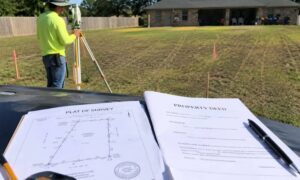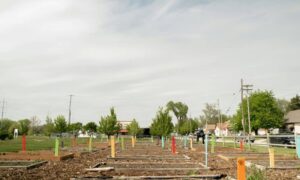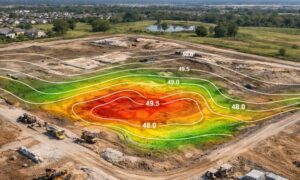

Building a fence in Houston often feels like a simple upgrade. You pick your material, choose a height, and hire a contractor. In many cases, the job finishes quickly and without issues. However, some fence projects carry hidden risks that homeowners don’t see at first. Problems don’t always come from bad construction. Instead, they come from placing a fence in the wrong spot. That usually happens when the real property line, setback rule, or easement location doesn’t match what the owner expected. Because of that, certain fence projects need more than visual judgment. They need verified boundary marking.That’s when many homeowners start looking for a licensed surveyor near me — not because the project is large, but because the placement must be right.
When a Fence Has No Reliable Starting Reference
Some properties give clear visual clues. Others don’t. For example, newer homes sometimes include visible corner markers or prior staking. Older lots often lack those references. Over time, landscaping changes, edging shifts, and visual lines lose meaning.
As a result, a fence contractor may have no dependable starting point. Even if the crew works carefully, they still rely on guesswork without marked corners. That guess can drift more than expected across a full fence run.
Therefore, when a property has no visible boundary markers, starting with professional marking creates a solid reference. It removes uncertainty before the first post goes in the ground.
Why Tight Houston Lots Increase Fence Risk
Houston has many neighborhoods where homes sit close together. Patio home communities and narrow-lot subdivisions show this clearly. In these areas, fences often run very near the legal boundary line.
That tight spacing leaves little room for placement error. A few inches off at each post can turn into a major shift by the end of the run. Then questions appear later instead of sooner.
Because of that, tight-lot fence installs benefit from line staking. A surveyor marks the path, and the contractor follows it. The work moves faster because no one debates alignment during construction.
So while the fence itself may look small, the placement accuracy matters more.
Corner Lots Change the Rules
Corner lots look attractive, yet they come with extra layout rules. Unlike interior lots, they face two public sides. That changes how cities and HOAs handle fence placement.
For instance, visibility rules often limit how close a fence can sit near an intersection. Some plats also show special setback lines that differ from the true property boundary. Homeowners rarely notice those lines until a permit review or HOA check brings them up.
At that point, moving the fence costs time and money.
Instead, early boundary and setback marking keeps the layout within allowed limits. Many corner-lot owners choose a licensed surveyor near me for that reason alone. It turns a risky guess into a measured plan.
Gates and Driveway Fence Entries Need Better Alignment
Fence projects that include vehicle gates bring another layer of detail. A simple straight fence run stays predictable. A gate opening does not. It must align with the driveway, swing correctly, and stay within property limits.
If the gate post sits too close to the line, the swing path may cross outside the lot. That creates conflict even when the fence itself looks fine. Commercial properties feel this impact even more because access affects deliveries and safety flow.
So when a project includes a driveway gate or entry opening, layout precision matters more than usual. Survey marking gives installers exact placement targets instead of rough estimates.
Subdivision Plat Lines Don’t Always Match Fence Expectations
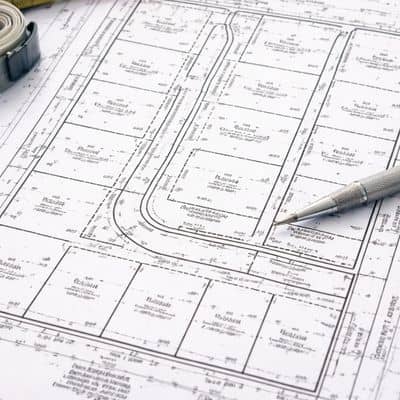
Many owners look at their lot shape and assume the fence belongs right on the edge. However, subdivision plats often show additional control lines. These include building lines and restricted strips that affect improvements.
A building line, for example, may sit several feet inside the boundary. Some HOAs adopt that line as the fence limit. That surprises owners who planned to build right at the edge.
Because of this, plat-aware layout becomes important. A surveyor reviews the recorded plat and marks usable limits in the field. The fence then follows recorded rules instead of assumptions.
This step keeps approval smooth and prevents redo work later.
Easements Quietly Interfere With Fence Plans
Easements create another common surprise. Many Houston lots include utility or drainage easements along rear or side edges. These areas allow access for maintenance and repair.
A fence inside an easement may stand for years without trouble. Then a utility crew needs access and removes a section. The homeowner pays to rebuild it afterward.
That situation feels frustrating because the fence looked correct at install time. Still, the easement already existed.
Survey marking helps reveal those zones before construction begins. The contractor can then shift the fence slightly and avoid future removal.
Replacement Fences Still Need Careful Placement
Fence replacement sounds straightforward. After all, a fence already stands there. Yet replacement projects often change more than people realize. New materials use different post spacing and thickness. Some owners also adjust the run line for appearance.
Even small shifts can move the fence across a boundary. In addition, many older fences never sat on the true line to begin with.
Because of that, replacement projects sometimes need fresh marking. Owners who search for a licensed surveyor near me during replacement often discover their old fence never matched the legal boundary at all.
Learning that early keeps the new install clean and correct.
Good Fence Projects Start With Clear Lines
Fence construction works best when placement decisions rely on facts, not visual guesses. Clear boundary marking gives contractors confidence and keeps projects moving smoothly. Neighbors feel more comfortable, and approvals come easier.
Not every fence project needs a survey. However, tight lots, corner parcels, gated entries, plat restrictions, easement edges, and layout changes all raise the placement risk. In those cases, bringing in a licensed surveyor near me turns uncertainty into clarity.
Clear lines lead to clean builds. And clean builds lead to fewer surprises later.