You buy a lot in Houston and it looks wide enough. You picture a garage or maybe an extra room in the back. At first, everything feels simple. Then the plans begin, and the numbers don’t match what you expected.
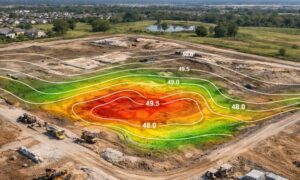
The space you see is not always the space you can use. Some areas sit too close to the edge, while others fall inside limits where building is not allowed. Because of that, even a large lot can feel much smaller once real measurements come into play.
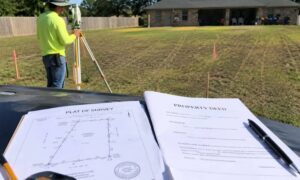
That’s usually when people bring in a construction surveyor to check building lines and setbacks, just to see how much space they’re really working with before moving forward. It gives you a clearer picture of what can actually fit on your lot, instead of relying on what it looks like at first glance. In Houston, that kind of clarity can save you from a lot of back-and-forth later.
How Legal Limits Turn Into Real Measurements
Building lines and setbacks usually start as numbers on paper. They come from recorded plans or rules tied to the property. Still, those numbers don’t mean much until someone lays them out on the ground.
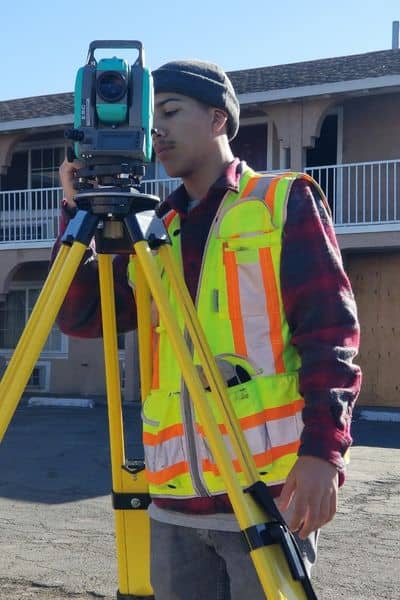
A construction surveyor takes those limits and measures them in real space. They check how far a structure needs to sit from each edge, then mark those distances on the lot so everything lines up.
That step takes away the guesswork. You’re not relying on rough estimates anymore. You can actually see the layout in front of you and get a feel for what will fit. That’s when it becomes easier to really see how much space you can actually build on before moving forward, so there are fewer surprises once work begins.
Where Construction Actually Begins on a Lot
Many people think construction starts at the edge of the property. That idea causes problems.
In reality, construction begins inside a defined zone. That zone follows all required distances from the boundaries. Even a small shift can push a structure too close to the limit.
Because of that, a construction surveyor sets control points. These points guide where the structure will sit. Builders rely on them when laying out the foundation and walls.
If those points are off, everything that follows can also be off. So getting them right early makes a big difference.
How Lot Shape and Size Affect Your Plans
Not all lots behave the same way. Some look wide but narrow at one end. Others have odd angles that limit how structures fit.
A construction surveyor studies how the lot works in real terms. They look at the width, the depth, and how existing features sit on the property. Then they compare that to the planned design.
Sometimes a standard layout fits with no issue. Other times, the space forces changes. That is why early verification matters. It helps you see limits before you spend time on a design that may not work.
Checking Space for Future Structures
Many projects include more than one structure. A homeowner may want a garage, a patio, or extra living space later.
Each of those needs room. Not just open room, but usable space that follows the required limits.
A construction surveyor measures how much space remains after those limits are applied. They check side clearance, rear space, and how everything lines up.
This step helps you plan with confidence. You know what fits and what does not.
Catching Problems Before They Cost You
Small issues often hide in early plans. A structure may sit too close to the edge. A driveway may reduce usable width. An existing building may block future work.
At first, these problems seem minor. However, they grow once construction starts.
A construction surveyor spots these issues early. That way, changes happen on paper, not in the field. Fixing a drawing is simple. Fixing a built structure is expensive.
Marking the Buildable Area on the Ground
Once everything checks out, the surveyor marks the usable space on the lot. These marks show where construction can take place.
This is different from just marking property lines. It focuses on the area that follows all limits.
Builders use these marks during layout. They guide placement and help keep everything within the allowed space. Because of that, construction stays aligned with the plan from the start.
Why Assumptions Often Lead to Mistakes
Many property owners rely on what they see. A fence line looks straight, so they assume it matches the boundary. That is not always true.
Others start designing before checking the space. Then they adjust later when issues appear.
Visual estimates also cause trouble. A few feet may not seem like much, but those feet can decide whether a structure fits.
Because of these habits, early verification becomes even more important.
When This Process Matters Most
Some projects leave little room for error. Narrow lots, older properties, and redevelopment sites often have tight limits.
In these cases, even small mistakes can stop construction. That is why survey work should happen early, before plans move too far.
Getting clear measurements at the start helps avoid delays later.
How This Keeps Your Project Moving Forward
Accurate measurements help keep everything on track. Designs stay realistic. Builders work with clear limits. Approvals move faster because the layout already follows the rules.
Most of all, early verification protects your budget. Fixing problems before construction costs far less than fixing them after.
Final Thoughts
A property may look simple at first. Open space, good shape, and clear access. Then the real limits come into play.
Building lines and setbacks define what you can do with that space. A construction surveyor turns those limits into clear measurements you can trust.
That clarity helps you plan better, build smarter, and avoid costly mistakes from the very beginning.