You walk through your yard and feel confident about your property line. The fence looks straight, and the edges seem clear. Then you check your plat or deed—and suddenly, nothing matches. You start wondering: Is the fence really in the right spot? Does the plat reflect reality? Can you trust your deed? If you live in Houston, this kind of confusion happens more often than you might think. When homeowners aren’t sure which line is correct, it often helps to call a licensed surveyor. Sometimes, just talking to someone who really knows surveying is enough to understand what’s going on and what to do next.
When Property Lines Don’t Agree
At first, most people trust what they can see. A fence feels like a clear boundary. A line of trees or edging seems obvious. But over time, things change. Fences get replaced, landscaping shifts, and old markers disappear. Meanwhile, the official records stay the same.
Because of that, what you see today may not match what was recorded years ago. This gap between reality and records often leaves homeowners feeling unsure. That’s when many decide it’s time to reach out for a bit of help — like talking to a surveying professional who can take a closer look at both the land and the paperwork.
The Difference Between Physical Boundaries and Legal Boundaries
It helps to understand the difference between two kinds of boundaries: physical and legal.
A physical boundary is what you can see. It includes fences, walls, or the edges of your yard. These boundaries are obvious but sometimes misleading.
A legal boundary comes from official records. These include plats and deeds, which define the true ownership of the property. Legal boundaries are the ones that matter if there’s ever a dispute or a real estate transaction.
The mistake most homeowners make is assuming these two boundaries are the same. Often, they are not.
Why Fences, Plats, and Deeds Can Conflict
Each source tells part of the story, but none of them alone guarantees the correct answer.
A fence is often placed based on convenience or old assumptions. It may look straight, but it doesn’t always follow the legal boundary.
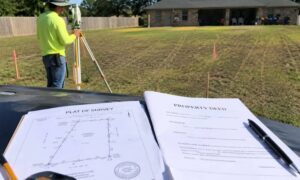
A plat shows how the land was divided when the neighborhood was planned. It gives a layout of lots and dimensions. However, it does not always reflect changes that have happened over the years. Many homeowners find it difficult to interpret a plat correctly.
A deed describes the property in legal terms. Sometimes, it references old markers or uses technical language that is hard to understand. Even when read carefully, the deed alone may not provide a clear boundary on the ground.
The Risk of Guessing
Faced with conflicting information, people often choose the boundary that seems closest or most convenient.
For example, they might assume the fence has been there for decades, so it must be correct. Or they may rely on what looks right on the plat.
This type of guesswork can cause problems. Even small errors in property lines can lead to disputes with neighbors, slow property transactions, or unexpected costs. In Houston, where homes are often close together, even a few inches matter.
Rather than guessing, the smart choice is to verify the true boundary before taking action.
How a Licensed Surveyor Resolves Conflicts
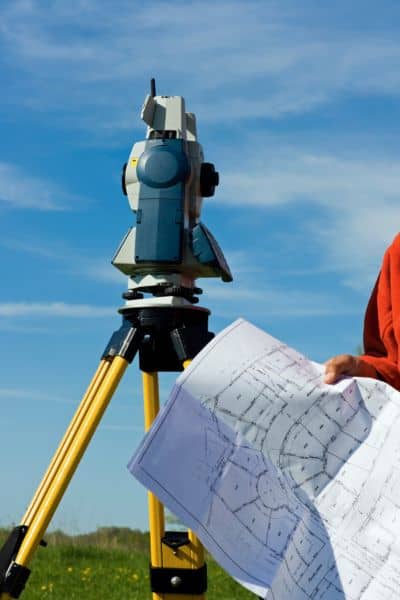
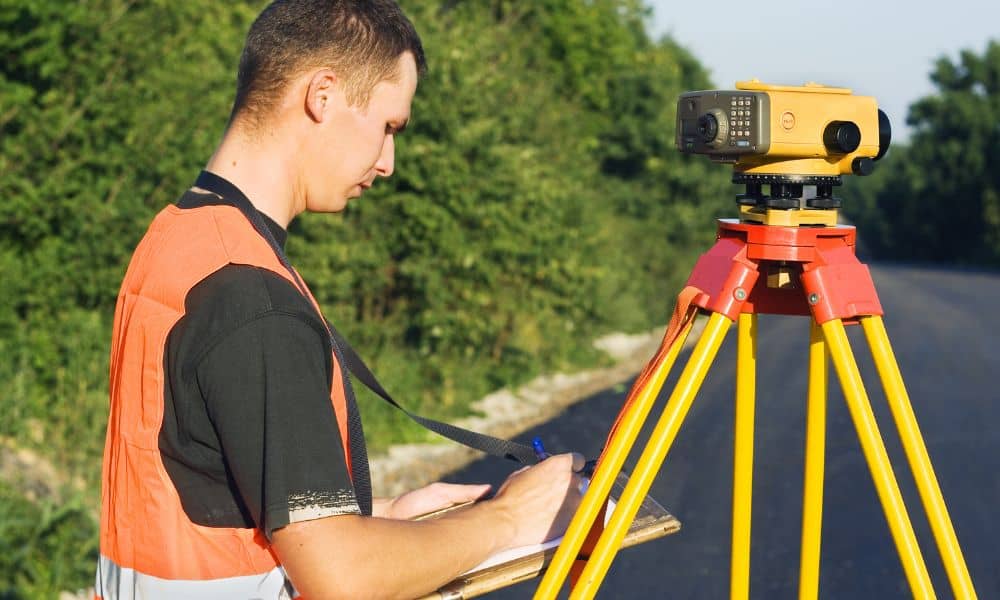
A licensed surveyor combines knowledge, skill, and tools to solve the problem. They don’t rely on assumptions.
First, they review all available records, including deeds, plats, and any historical documents. Then, they visit the property and take precise measurements.
Finally, they compare everything—the legal records and the physical conditions on the land—to determine the correct boundary. When they finish, you have a clear and reliable answer. This eliminates confusion and prevents costly mistakes.
When Conflicting Boundaries Become a Bigger Issue
At first, mismatched property lines may seem like a minor concern. However, certain situations make the problem urgent.
Buying or selling a home is one of them. A mortgage or title review can bring these discrepancies to light. Refinancing may also uncover unclear boundaries.
Neighbors can also raise questions, especially if a line seems off. Even if no construction is happening, unclear boundaries create stress and uncertainty.
By clarifying property lines early, you avoid delays and conflicts later.
Why This Happens Often in Houston
Houston has a mix of older and newer neighborhoods. Over time, changes in construction, landscaping, and property layouts can make boundaries harder to interpret.
In addition, many lots are close together. This increases the likelihood of visible boundaries not matching legal ones. With plats, deeds, and fences all telling slightly different stories, it’s easy to see why homeowners get confused.
What to Do If Your Property Lines Don’t Match
If your fence, plat, and deed don’t line up, don’t ignore it. Avoid making decisions based on what looks right or feels easiest. Instead, focus on getting accurate information.
A licensed surveyor can confirm the true property lines. This step is simple, but it prevents future disputes, legal problems, and extra costs. Knowing exactly where your boundaries lie allows you to plan confidently, whether you are building, selling, or refinancing.
Clarity Removes Uncertainty
When property lines conflict, it’s easy to feel stuck. The good news is that this problem has a clear solution. A licensed surveyor provides verified, reliable answers.
By combining record research with on-site measurements, a surveyor determines the true boundary. Homeowners can then make decisions with confidence.
In the end, knowing your exact property lines protects your time, your plans, and your peace of mind. Don’t guess, and don’t wait—clarity starts with the right professional.