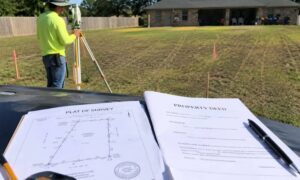
You plan to build a fence. Or maybe you want to add a small patio or extend your driveway. Everything seems simple at first. However, many property owners run into a problem they did not expect. Someone points at a drawing and says, “You can’t build there.” That drawing is your lot survey. Most people think a lot survey only shows property lines. But in reality, it tells a much bigger story. It shows what you can do with your land—and just as important, what you cannot do.
So before you start any project, it helps to have a clear idea of what you’re looking at and how to read your lot survey, especially if you want to avoid problems later on.
Why a Lot Survey Matters More Than Most Houston Owners Realize
At a glance, a lot survey looks like a simple map. It outlines your lot and shows where your home sits. Because of that, many people glance at it once and move on.
However, that is where problems begin.
In Houston, land use is more complex than it seems. Neighborhoods are built close together, and utilities often run through private property. Because of this, your land may come with limits that are not obvious on the ground.
That is why it matters. It helps you understand how your property actually works, not just where it is. And in Houston, even small details on a lot survey in Houston can end up affecting what you can or cannot build.
Instead of guessing, you can see where you can build, where you should avoid building, and what parts of your lot may be shared or restricted.
Easements Can Change How You Use Your Property
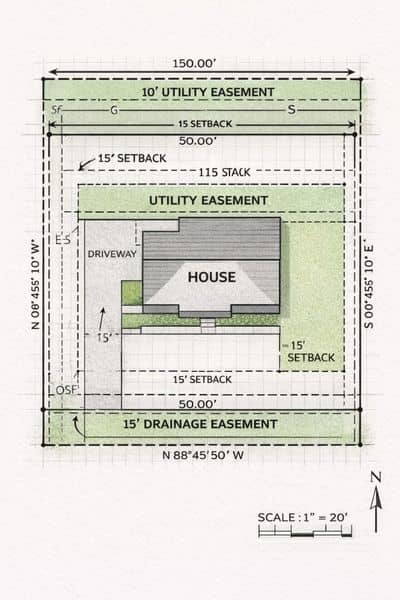
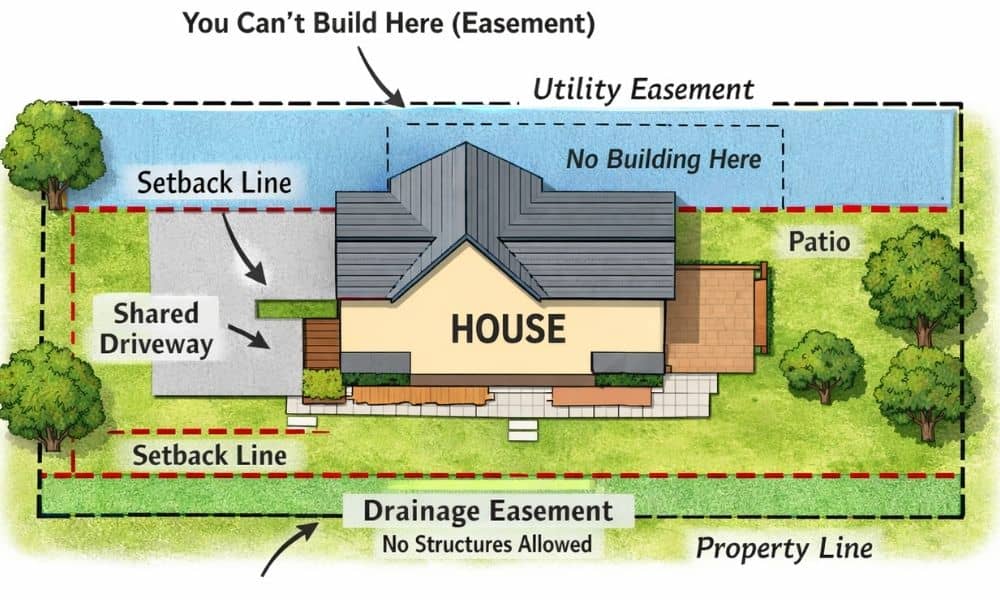
One of the first things you may notice on a lot survey is a set of dashed lines or labeled strips. These often mark easements.
An easement is a part of your land that someone else has the right to use. You still own that area. However, you cannot block access or build over it.
In Houston, easements are very common. You may see utility easements for water, power, or gas lines. You may also see drainage easements that help manage heavy rain.
At first, these areas may not seem important. However, they can affect your plans in a big way.
For example, you might install a fence or build a small structure over an easement. Everything looks fine—until work needs to be done. If a utility company needs access, they can remove what you built.
Because of this, a lot survey helps you avoid costly mistakes. It shows you where to build and where to stay clear.
Building Lines Set Limits You Cannot See on the Ground
Another key detail on a lot survey is the building line. These lines create invisible limits that shape how you can use your property.
A building line tells you how close you can build to your property boundary. Even if your yard looks open, you may not be allowed to use every inch of it.
This is where many homeowners get caught off guard.
They measure space based on what they see. However, the real limit is what the lot survey shows. As a result, a project that looks fine at first can turn into a problem later.
In Houston, this matters even more. Many lots are narrow, and space is limited. Because of that, building lines can quickly affect where you place a fence, a driveway, or a small addition.
So before you start building, it is always smart to check your lot survey first.
Access on Your Property May Not Be Fully Private
Most people assume they have full control over their land. However, a lot survey may show that others have legal access to parts of your property.
This is often shown through access areas or right-of-way markings.
For instance, a driveway may be shared between two properties. Or a path along the side of your lot may allow entry for maintenance or service.
At first, these details may not stand out. However, they can affect how you use your space.
You may not be able to block certain areas. You may also need to allow others to pass through at times.
That is why it is important to review your lot survey carefully. It helps you understand not just ownership, but how the land can actually be used.
Small Details on a Lot Survey Can Lead to Big Mistakes
Even when people have a lot survey, they often miss key details. This usually happens because the lines and labels are not always easy to read.
Some people ignore dashed lines. Others assume they can use the entire lot without limits. In many cases, they start building before fully understanding what the survey shows.
As a result, small mistakes turn into bigger problems.
A fence may need to be moved. A structure may need to be removed. In some cases, projects are delayed or denied.
However, these issues are avoidable. When you take time to review your lot survey, you can catch these details early and plan with confidence.
When It Makes Sense to Ask a Professional Land Surveyor
Sometimes, a lot survey raises more questions than answers. That is normal, especially if the layout is complex.
If you are unsure about any part of your survey, it helps to speak with a licensed land surveyor.
This is especially important before you build anything or before you buy a property. A professional can explain what each line means and how it affects your plans.
More importantly, they can help you avoid costly mistakes before they happen.
Instead of guessing, you get clear answers and peace of mind.
A Lot Survey Helps You Make Smarter Property Decisions
At first, a lot survey may look like a simple drawing. However, it holds important information about how your property can be used.
It shows easements that limit where you can build. It shows building lines that shape your design. It also shows access areas that may affect how private your land really is.
In a growing city like Houston, these details matter more than ever.
So before you move forward with any project, take a closer look at your lot survey. Understanding it now can save you time, money, and stress later.
And if something is not clear, asking for help is always the smarter move.