
Scroll through social media for a few minutes and you’ll see it. Two neighbors. A brand-new fence. Raised voices. Phone recording. Comments piling up. What should have been a quiet home improvement suddenly turns into a public showdown.
These fence disputes feel dramatic because they are. Yet, they’re also familiar. In Houston, where homes sit close together and neighborhoods change fast, fences often become flashpoints. Most of the time, no one planned for a fight. Instead, things escalated before anyone paused to check one simple detail: where the property line actually is.
That’s where a property line survey changes everything.
Why Fence Conflicts Feel So Sudden
Fence disputes rarely begin with bad intentions. Instead, they start with assumptions.
One homeowner replaces an old fence that has been there for years. Another installs a taller privacy fence to block noise or improve security. At first, it feels routine. However, once posts go in the ground, a neighbor notices the change. Suddenly, questions come up. Is that fence farther over than before? Did the line shift?
Because fences are visual, people trust what they see. Over time, that visual boundary becomes “the line” in everyone’s mind. So when it changes, emotions rise fast. Even a small adjustment can feel like a land grab, especially when no one has clear proof to point to.
How Social Media Turns Small Issues Into Big Ones
Years ago, fence disagreements stayed between neighbors. Today, they don’t.
Instead, someone records a video. Then, friends and strangers weigh in. Comments validate feelings, not facts. As a result, each side becomes more certain they are right. Meanwhile, the fence keeps going up.
This social media loop is powerful. Once a dispute goes public, it’s harder to slow down. No one wants to backtrack when hundreds of people are watching. That pressure pushes neighbors further apart, even when the issue could have been resolved quietly.
Why Fence Replacements Trigger More Fights Than New Fences
It might seem odd, but replacing a fence causes more disputes than building one for the first time.
Here’s why. An old fence, even if it’s slightly off, feels accepted. It’s familiar. When it comes down, people see the space differently. They notice inches they never paid attention to before. They start asking questions they never asked the last owner.
In Houston’s older neighborhoods, this happens often. Properties have changed hands. Contractors build based on what’s visible. New homeowners rely on what they inherited. Then, a replacement fence exposes uncertainty that was always there.
The Timing Mistake That Fuels Conflict
Many homeowners wait until after a problem starts to look for answers. By then, the tone had already changed.
Once accusations fly, even neutral information feels personal. A survey ordered late can seem defensive. Neighbors may think it’s meant to prove someone wrong rather than clarify the situation. That perception alone can deepen the divide.
However, when clarity comes first, the conversation stays calmer. Starting with facts keeps emotions from running the show.
What a Property Line Survey Does Before Tensions Rise
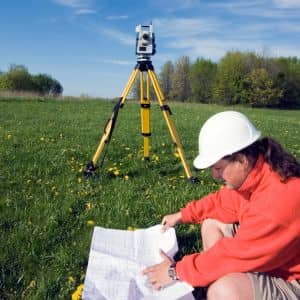
A property line survey gives everyone the same reference point. It shows where the legal boundary sits, regardless of where fences or landscaping appear.
More importantly, it removes guesswork. Instead of saying, “I think this is my side,” homeowners can say, “Here’s what the boundary shows.” That shift changes the entire discussion. It becomes about information, not opinions.
When neighbors see clear documentation early, they’re more likely to accept it. There’s less room for suspicion. As a result, projects move forward without drama.
Common Fence Moments Where Clarity Matters Most
Fence disputes don’t come out of nowhere. They show up during specific moments, such as:
- Replacing a worn fence along a shared side yard
- Installing a taller privacy fence between close homes
- Buying a property with an existing fence already in place
- Coordinating fence work with a neighbor who disagrees on placement
In each case, the risk isn’t the fence itself. The risk is moving forward without knowing where the boundary truly sits.
Why Waiting Can Cost More Than Money
When fence disputes escalate, costs add up fast. Sometimes, fences need to be moved. Other times, projects stall while tempers cool. Even when no legal action follows, the stress lingers.
Worse, relationships suffer. Neighbors who once waved from the driveway stop speaking. Living next to unresolved tension is exhausting. All of this can start from a few inches of uncertainty.
By contrast, addressing boundaries early keeps things quiet. It protects not just property, but peace of mind.
Why Houston Is Especially Prone to Fence Disputes
Houston’s growth plays a big role here. New buyers move in. Older homes get updated. Lots are tight. Side yards matter.
On top of that, many areas mix old layouts with modern construction. Visual boundaries don’t always match recorded ones. That mismatch creates confusion when changes happen.
Because of this, homeowners face more chances for misunderstandings. A property line survey acts as a reset button in those moments.
Staying Out of the Spotlight
No one wants their home improvement project to end up online. Yet, that’s where many fence disputes land today.
The easiest way to avoid that spotlight is to slow down before building. Getting clarity first keeps conversations short and calm. Neighbors feel respected. Projects stay on track. Social media stays out of it.
In the end, most people don’t want to fight. They want certainty.
Final Thoughts
Fence disputes go viral because they strike a nerve. They mix home, money, pride, and visibility. However, they don’t have to play out that way.
A property line survey stops problems before they grow. It replaces assumptions with facts. It keeps discussions private. Most of all, it protects homeowners from becoming the next cautionary video.
In Houston, where fences sit close and changes happen fast, knowing your boundary before you build is one of the smartest moves you can make.